

OSTEOPATHY SANTA POLA
OSTEOPATHY TREATMENT SANTA POLA
Osteopathy is a manual medicine that treats the body as a whole. Although osteopathy is primarily associated with problems affecting the bones, its main objective is to restore balance to the disturbed body through manual techniques targeting any affected tissues, whether muscles, bones, viscera, nerves, or others. Osteopathy is based on the belief that all body systems are interrelated, and therefore, disorders in one system affect the functioning of the others. Therefore, at the Physiotherapy Unit at Clínica del Río-Hortega, we treat each patient individually and as a whole, assessing all the parts involved in each process.
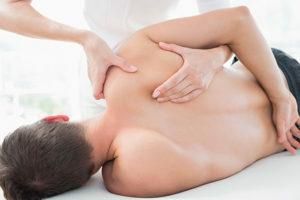
Osteopathy treatment at Clínica del Río-Hortega
SOLICITA TU CITA AHORA
Solicite que le llamemos y nos pondremos en contacto lo antes posible para concertar una cita, o resolver cualquier duda acerca de nuestros servicios.
How do we practice osteopathy at our clinic in Santa Pola?
In the case of injuries, we always treat comprehensively. We don’t just treat the area of the injury itself, but also assess the rest of the related structures in the body, such as the viscera, cranial structures, and the nervous system, among others. The body is a whole, so osteopathic treatments aim to treat pain by restoring overall body balance, rather than by analyzing it.
Types of osteopathy?
- Structural osteopathy:
This type of osteopathy focuses on the diagnosis and treatment of dysfunctions of the musculoskeletal system: bones, muscles, and joints. The dysfunctions are usually in areas that do not move (hypomobile), even if the patient reports pain in areas that do move (hypermobile).
- Cranial osteopathy:
The brain and cranial bones move to allow cerebrospinal fluid to flow properly into the brain (primary respiratory movement). Due to various circumstances (blows, stress, birth itself), this cranial movement can be affected, leading to various conditions such as headaches, dizziness, and back pain, among others. However, through a series of gentle movements, we assess and treat any cranial dysfunction that may exist.
- Visceral osteopathy:
It focuses on the diagnosis and treatment of the functioning of the viscera and vital organs; the stomach, pancreas, and urogenital system, among others. Visceral structures also move; each has its own specific movement pattern, and therefore, they can also suffer from mobility restrictions, which can lead to imbalances in the body.
Indications of Osteopathy
- Spinal problems: low back pain, neck pain, protrusions, hernias, etc.
- Temporomandibular joint dysfunctions: bruxism, noises, subluxations, etc.
- Gynecological disorders: constipation, reflux, incontinence or prolapses, among others.
- Digestive disorders: constipation, heartburn, reflux, infant colic, etc.
- Nervous system disorders: paresthesia, vertigo, etc.
We usually have pain in the areas that move the most because they are compensating for an area that doesn’t move, which is where the real problem lies.